What Causes Warts? How Do They Spread?
Warts form when HPV infects the top layer of skin, usually entering through tiny cuts or breaksmy.clevelandclinic.org. The virus triggers excess growth of skin cells, creating a hard, keratinous bump (the wart). There are over 100 types of HPV, but only a few cause common skin warts (these are not the same strains that cause cervical cancer or genital warts)my.clevelandclinic.org.
Contagiousness: Warts are contagious – the virus spreads by direct touch or by contact with contaminated surfacesmy.clevelandclinic.org. For example: touching someone’s wart, or sharing personal items (towels, socks, razors, nail clippers) that touched a wart can transmit HPVmy.clevelandclinic.org. The virus thrives in warm, moist environments, so walking barefoot in public pools, showers, or locker rooms is a common way plantar warts are contractedpediatricfootankle.com. The incubation (time from exposure to wart appearance) can be months longdermnetnz.org, so pinpointing the source is hard.
Auto-inoculation: A person with a wart can spread it to other areas on their own body. Picking, scratching, or shaving a wart can release viral particles into nearby broken skin, causing a “crop” of new warts along lines of trauma (a phenomenon called Koebnerization)dermnetnz.org. For example, children who bite fingernails or pick hangnails may get warts around their nails or mouth from the virus on their fingersyalemedicine.orgkidshealth.org. Avoid direct trauma to warts – don’t pick or bite them, and don’t shave over a wart (cover it with a bandage if needed)my.clevelandclinic.org.
Who Gets Warts? (Risk Factors)
Anyone can get warts, but some factors make them more likely:
- Age: Warts are far more common in children and teens than adultspediatricfootankle.comyalemedicine.org. Kids’ immune systems may not yet recognize and fight off HPV effectivelyyalemedicine.org. Over time (often by late teenage years), many people develop immunity and get fewer wartsyalemedicine.org.
- Barefoot Exposure: Going barefoot in communal areas (public pools, showers, daycare floors) raises risk, especially if the skin has cuts or is soft and damp (like after swimming)pediatricfootankle.compediatricfootankle.com. The virus enters through weak spots in damp, macerated skin.
- Skin Condition: Having dry, cracked skin or eczema can create openings for the virus. Kids with eczema (dermatitis) or others with defective skin barrier are somewhat more prone to wartsdermnetnz.org. Keeping skin moisturized and intact helps (more on skin care below).
- Immune System: People with a weakened immune system (for example, on chemotherapy, taking immune-suppressing drugs, or with conditions like HIV) have a higher risk and often more persistent wartspediatricfootankle.comdermnetnz.org. Their bodies have a harder time clearing the virus.
- Personal History: If you’ve had warts before (or in the family), you might be more susceptible. Some individuals may have a genetic susceptibility to develop warts into adulthoodyalemedicine.org.
- Occupational/Environmental: Rarely, certain occupations like butchers (exposure to raw meat) get specific warts on handsmy.clevelandclinic.org. This is less relevant to children, but shows HPV can be anywhere in the environment.
Types of Warts
Warts can appear in different forms. Key types includemy.clevelandclinic.orgmy.clevelandclinic.org:
- Common Warts (Verruca vulgaris): Hard, raised rough bumps with a cauliflower-like surface. Often on hands or fingers (especially around bitten nails). May have black dots inside (clotted capillaries, sometimes called “seed warts”)my.clevelandclinic.org. Usually painless unless in a spot that gets bumped.
- Plantar Warts (Verruca plantaris): Warts on the soles of the feet (heel, ball of foot, or toes)pediatricfootankle.com. Pressure from walking pushes them inward, so they tend to be flat or even below the skin surface, often covered by a thick calluspediatricfootankle.commy.clevelandclinic.org. They can be tender or painful when standing or walking, as if there’s a pebble in the shoemy.clevelandclinic.org. Plantar warts often show multiple black pinpoints (thrombosed blood vessels) on their surfacepediatricfootankle.com. Sometimes they occur in clusters (a “mosaic wart” when many smaller warts coalesce)pediatricfootankle.com.
- Flat Warts (Verruca plana): Smaller, smoother, flat-topped lesions often in large numbers (20–100) at oncemy.clevelandclinic.org. They tend to appear on the face, legs, or backs of hands. Flat warts are more common in children and teens. They are usually not painful, just cosmetically annoying.
- Filiform Warts: Long, slender finger-like warts, often on the face (around eyelids, lips)my.clevelandclinic.org. They can look like tiny skin tags or fronds. These can spread by shaving.
- Periungual Warts: Warts around the fingernails or toenails. They can disrupt nail growth. Nail-biters frequently get these due to viral entry at damaged cuticleskidshealth.org.
- Genital Warts: Occur on genital areas; caused by different HPV strains (usually types 6 and 11) and sexually transmittedmy.clevelandclinic.org. These are managed differently and not the focus of this pamphlet.
Are warts harmful? In general, no – warts are benign and will not turn into cancermy.clevelandclinic.org. They often eventually resolve on their own as the immune system clears the virus. However, warts can be a nuisance – they may cause pain (especially on feet), bleed if picked, catch on clothing, or cause self-consciousness. Moreover, they are contagious to oneself and others, so treating or at least covering them is wise to prevent spreadmy.clevelandclinic.orgmy.clevelandclinic.org.
Plantar Warts in Children (Verrucas on the Feet)
Because this is a common concern, let’s focus on plantar warts in kids. These warts on the soles can be particularly uncomfortable for active children. Key points:
- How to Recognize: A plantar wart may look like a small area of hardened skin, sometimes mistaken for a corn or callus. It often has a rough, grainy surface with gray or brown coloration and tiny black dots insidepediatricfootankle.com. Unlike a simple callus, a wart will disrupt the normal skin lines. They’re commonly on weight-bearing areas (heel, ball of foot, underside of toes) and may be tender when pressedpediatricfootankle.com.
- Pain and Walking: Because they get pushed inward, plantar warts can be painful to walk on – children might limp or avoid putting pressure on the affected foot. If your child says it feels like “there’s a stone in my shoe” in one spot on the foot, a wart could be the culpritmy.clevelandclinic.org.
- Clusters: Kids can develop mosaic warts, where a cluster of small plantar warts forms a larger patch on the solepediatricfootankle.com. These can be more challenging to treat due to the area involved.
- Risk Factors: Children who swim or use public locker rooms barefoot are at high risk (the virus loves wet floors). Foot hygiene matters – if a child has cracked heels or skin fissures, HPV can more easily infectpediatricfootankle.com. Always have kids wear flip-flops or waterproof sandals in public pool areas and keep their feet clean and dry.
- When to see a doctor: If a foot lesion is painful, growing, or you’re unsure it’s a wart, see a healthcare provider. Also, if your child has diabetes or poor sensation in their feet, do not delay evaluation of any foot lesionpediatricfootankle.com. In children with weakened immunity, prompt medical attention for warts is recommended.
Never try to perform deep self-surgery on a plantar wart at home. Because these warts grow inward, at-home digging or cutting is dangerous and can lead to infection. If over-the-counter methods fail or the wart is painful, seek professional treatment.
Do Warts Need Treatment?
Can warts go away on their own? Yes – in fact, about 65% of warts clear by themselves within two years in people with healthy immune systemsmy.clevelandclinic.org. Many warts, especially in children, eventually trigger an immune response and shrink away. However, spontaneous resolution can take months or even yearsmy.clevelandclinic.org, and new warts may appear in the meantime. Warts that do go away can also come back, since the virus can linger in the skinmy.clevelandclinic.org.
Why treat: We often treat warts to speed up clearance and reduce spreadaad.org. Treatment can remove the visible wart and stimulate the immune system to fight the virus. You should consider treating if the wart is painful, spreading, unsightly, or bothering the child (or you). Also, treating early when warts are small and few in number is easier than treating large or numerous lesionsaad.org. That said, if a wart is tiny and not troublesome, a doctor might advise a watch-and-wait approach since treatments can cause discomfort or scarring. Each case is individual.
Next, we’ll cover the full range of treatment options – from gentle at-home methods to advanced medical therapies. Because children can find some treatments (like aggressive freezing) very painful, the approach may be adjusted for pediatric patients. Often a combination of treatments and persistence is needed, as warts can be stubborn. The goal is to destroy the wart and also spur the body’s immune system to clear any remaining virus.
Treatment Options for Warts
Note: Always follow directions and be patient – even effective treatments can take several weeks or months to completely get rid of a wartmy.clevelandclinic.org. If a treatment is irritating the surrounding skin too much, pause or consult a doctoraad.org. Here are the main categories of wart treatment:
Home Care and Over-the-Counter Treatments
- Salicylic Acid (Wart Paint/Plasters): This is a proven first-line treatment available in pharmaciesclinmedjournals.org. Salicylic acid is a keratolytic, meaning it softens and dissolves the wart tissue layer by layermy.clevelandclinic.org. It comes as drops, gels, pads, or plasters (e.g. “wart remover” products). For best results, soak the wart in warm water and gently file off the top dead skin (with a disposable emery board or pumice) before applying the acid each timeclinmedjournals.org. Apply the acid on the wart daily and cover it with tape or a bandaid (occlusion keeps it moist and enhances the effect)aad.orgaad.org. Over weeks, the wart gradually shrinks. Salicylic acid treatment is painless aside from possible mild skin irritationclinmedjournals.orgaad.org, making it kid-friendly. It does require commitment – it may need 3–6 months of daily use for full clearanceclinmedjournals.org. Studies show salicylic acid cures about 50–70% of warts if used properlymy.clevelandclinic.org, significantly better than no treatment. Tip: If the surrounding skin gets sore, take a few days breakaad.org. Avoid applying strong acid on non-wart skin (petroleum jelly on the healthy skin around the wart can protect it). Salicylic acid should not be used on the face or on open wounds (it can irritate)www1.racgp.org.au.
- Duct Tape Occlusion: This popular home remedy involves covering the wart with duct tape for days at a time, periodically removing it to file the wart down and then reapplying fresh tape. The idea is that tape irritates the wart and stimulates the immune system, while also macerating the tissue. Evidence is mixed – some small studies showed benefit, others found it no better than placeboclinmedjournals.org. Still, some parents report success with diligent duct tape use. It’s safe and painless, so it might be worth a try on kids as long as it doesn’t cause skin rash. Often duct tape is used in combination with other treatments like salicylic acid (covering the acid-applied wart with tape)aad.org. If skin becomes too red, discontinue the tape.
- Over-the-Counter Freezing Kits: Products like dimethyl ether freezing sprays are sold to “freeze off” warts at home. These are much weaker than the liquid nitrogen used in doctors’ officesyalemedicine.org. They may help with very small warts, but often aren’t powerful enough for thicker lesions, especially on the feet. Use caution and follow instructions if trying these – avoid spraying skin not on the wart, and do not use on young children without doctor advice. Home freezing is generally less effective than clinic cryotherapyyalemedicine.org, but it might be an option for teens or adults on minor warts.
- Protective Care: Whether you treat at home or not, basic skin care can aid recovery and prevent spread. Keep the area clean. Cover the wart with a bandage during the daymy.clevelandclinic.org (this both starves it of oxygen slightly and prevents touching/spreading the virus). Change socks daily and keep feet dry (for plantar warts)my.clevelandclinic.org. Avoid picking or scratching the wart – this is very important. After any contact with the wart (applying medicine, etc.), wash your hands wellmy.clevelandclinic.org.
Medical Treatments (In-Clinic)
If warts are not responding to home care or are widespread, a healthcare provider can offer stronger treatments. For children, pediatric dermatologists or some GPs can provide gentle yet effective options. Common in-clinic treatments include:
- Cryotherapy (Freezing): This is a widely used method where the doctor applies liquid nitrogen to freeze the wart, causing it to blister and eventually fall offmy.clevelandclinic.org. It’s effective for many patients, but usually requires multiple sessions (freezing every 2–3 weeks for a few cycles)www1.racgp.org.au. Cryotherapy can be painful, as the freezing stings and the area may throb or blister afterwardwww1.racgp.org.au. In adults it’s usually well tolerated, but in young children it can be distressing and therefore is often reserved for older kids or those who can sit still with a bit of topical anesthetic. It’s not uncommon to see a temporary blister or scab after freezingaad.org, and sometimes it causes temporary skin lightening or darkening when healedaad.org. In expert hands, cryotherapy can be quite useful, but one must be cautious: aggressive freezing or improper technique can rarely cause a “ring wart” (where the wart spreads in a ring around the treatment area) due to viral seeding in the injured rim of skinwww1.racgp.org.au. Tip: For plantar warts, some practitioners pare down the thick skin before freezing to improve effectiveness.
- Cantharidin (“Beetle Juice”) – 0.7%: This is a treatment deserving special mention, especially for kids. Cantharidin is a blistering agent derived from the blister beetle. Doctors apply a 0.7% cantharidin solution directly on the wart and cover it with tape; after a few hours (usually 4–24 hours later, depending on the formula) you wash it offclinmedjournals.org. Painless on application, cantharidin gradually causes a blister to form under the wart over the next day or twomy.clevelandclinic.org. This lifts the wart off the skin as the blister separates the wart from the healthy skinmy.clevelandclinic.org. Within a week, the doctor can easily remove the dead wart tissue. Cantharidin is often very effective for children’s warts, because it doesn’t hurt when applied (the discomfort comes later when blistering, which can be managed) and kids don’t have to endure a needle or freeze pain in the office. Studies have shown high success rates – one review found up to 70–90% wart clearance with cantharidin treatmentwww1.racgp.org.au, especially for children’s warts (86.5% clearance in one pediatric study)www1.racgp.org.au. It may require a couple of applications, spaced a few weeks apartwww1.racgp.org.au. Aftercare: The treated area will blister – keep it clean, dry, and bandaged. The blister may be uncomfortable; your doctor might suggest a pain relief step (like popping the blister after 24 hours and applying antibiotic ointment). Scarring is uncommon if used properly, though temporary marks or pigmentation changes can occurclinmedjournals.org. Cantharidin is usually only available to physicians (in Australia and many countries, patients cannot buy it OTC), so it’s an in-clinic procedure. At our clinic (The Skin Doctor), cantharidin is a preferred first-line treatment for plantar and common warts in children due to its high success and child-friendliness.pediatricfootankle.com
- Minor Surgery (Curettage/Electrocautery): For persistent warts, a doctor can numb the area with local anesthetic and then scrape or cut out the wart (curettage), possibly followed by cauterizing the base to destroy remaining viruswww1.racgp.org.au. This method removes the wart in one go, but it’s more invasive – it can be painful (requires a needle for numbing) and may leave a scarwww1.racgp.org.au. Surgical removal is generally avoided as first-line because of the scarring risk and because warts might still recur even after cutting them out (the virus can be in surrounding skin)www1.racgp.org.au. It’s usually reserved for very stubborn warts that don’t respond to other therapies, or warts that need immediate removal for functional reasons. There is also a risk of infection if not cared for properly after surgery.
- Chemical Cautery (Stronger Acids): Dermatologists have other chemicals to destroy warts. For example, trichloroacetic acid (TCA) can be applied to debulk thick warts (commonly used for genital warts or oral warts in clinic)clinmedjournals.org. Stronger peeling agents like formic acid, monochloroacetic acid, or phenol have also been used for resistant wartswww1.racgp.org.auwww1.racgp.org.au. These are potent and can cause burns if misused, so they’re applied by professionals only. They may be options if standard treatments fail or if a person cannot tolerate other methods. A physician might, for instance, apply TCA weekly on a wart for several weeks – studies show high clearance rates in some caseswww1.racgp.org.au. However, acids can be painful and cause redness or blistering, so again, not first choice for young kids (except maybe mild TCA for periungual warts under anesthesia).
- Prescription Topicals: Sometimes topical creams or solutions are prescribed for warts:
- Imiquimod: An immune response modifier cream that can help the body recognize and fight HPV. It’s more often used for genital warts, but occasionally for stubborn flat or common warts. Imiquimod can cause significant skin irritation (redness, peeling) as it “revs up” the immune response in the area.
- 5-Fluorouracil (5-FU): An anti-proliferative cream (usually for sunspots) sometimes used off-label on warts to inhibit cell growth. Often used for numerous flat warts.
- Retinoid creams: Vitamin A derivatives like tretinoin have been used especially for flat warts, causing them to peel off and disrupting the viral-infected skin cellsclinmedjournals.org. One study in children showed ~86% clearance of warts with daily tretinoin after 4–6 weeksclinmedjournals.org. For facial flat warts in kids, a dermatologist may prescribe a retinoid cream to apply at home because it’s generally safe and painless (just mild peeling)clinmedjournals.org.
- Contact Immunotherapy: This is a special treatment where we apply a substance to provoke a mild allergic reaction on the wart, training the immune system to attack it. One example is DCP (diphencyprone) or squaric acid, painted on the wart to create a rash that hopefully leads to wart clearancemy.clevelandclinic.org. This is usually done by dermatologists for multiple recalcitrant warts or in older kids/teens. It requires multiple visits and careful handling of the allergen. Another form is Candida antigen injections – injecting a small amount of yeast protein into one wart to stimulate the immune system; about 70% of patients respond by clearing not only that wart but others as well, if it works. These immunotherapies can be very effective for some, but don’t work for everyone. They are typically considered when simpler measures fail.
Advanced Treatments: Laser and Light Therapies
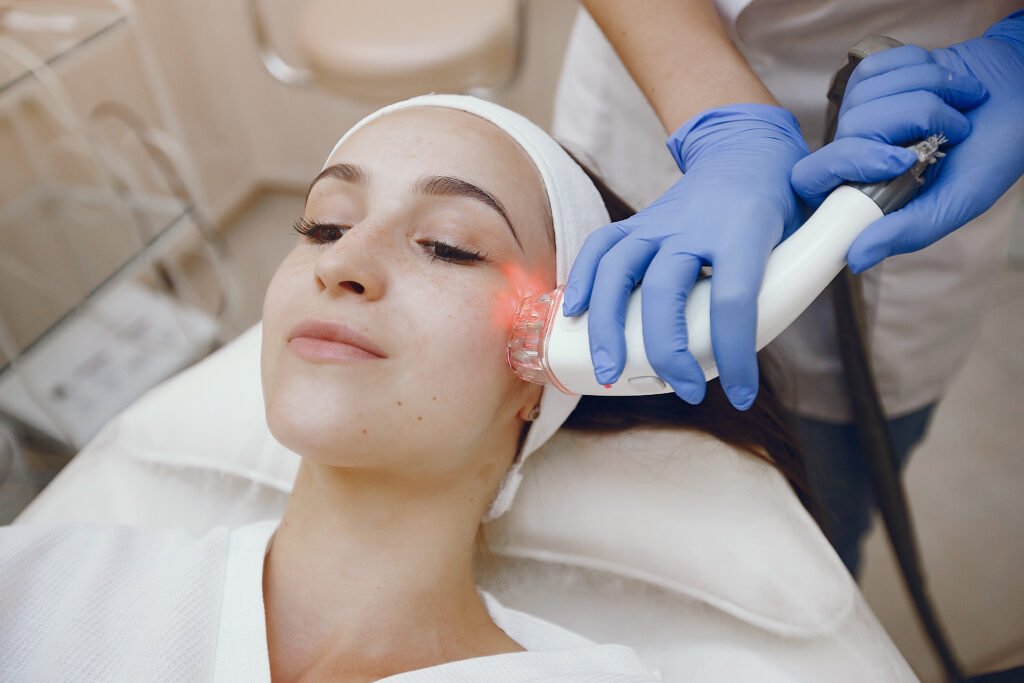
For warts that do not respond to the above methods, laser therapy or phototherapy can be used, often in specialist clinics. We use these advanced treatments at The Skin Doctor clinic in Australia, particularly for stubborn warts:
- Laser Ablation (Er:YAG or CO₂ Laser): Lasers can vaporize and cut away wart tissue with precision. An Erbium:YAG laser (2940 nm) is an ablative laser that targets water in the skin, allowing very fine removal of the epidermis with minimal heat damagewww1.racgp.org.au. It essentially burns off the wart layer by layer. Er:YAG has been used successfully on warts with clearance rates from ~72% up to 100% in some reportswww1.racgp.org.au. The advantage of Er:YAG over older CO₂ lasers is that it causes less collateral damage (less heat), so healing is quicker and scarring risk is lowerclinmedjournals.orgclinmedjournals.org. In fact, one study of patients with plantar warts showed that using a high-power Er:YAG laser combined with LED light therapy after (to promote healing) cleared all treated lesions with only a 6% recurrence rateclinmedjournals.org. CO₂ lasers (an older method) similarly burn off warts and are very effective (clearance ~50–90+%), but they tend to cause more pain, postoperative wound care, and potential for scars or pigment changesclinmedjournals.org. Laser ablation is usually done with local anesthesia (numbing injection or strong cream) because it can be uncomfortable. After laser, the treated site is like a small burn that needs to heal over 1–2 weeks. We typically reserve laser for warts that have not cleared with other treatments, or for very large warts. With Erbium laser, side effects are usually limited to some discomfort and redness during healingwww1.racgp.org.au.
- Vascular Lasers (Nd:YAG, Pulsed Dye Laser): Some lasers target the wart’s blood supply rather than directly charring the tissue. Nd:YAG laser (1064 nm) penetrates deeper and heats the tiny blood vessels feeding the wart, causing the wart to starve and diewww1.racgp.org.au. It’s been used for thick plantar warts and periungual warts, with studies showing clearance in about 46–100% of cases depending on parameterswww1.racgp.org.au. However, Nd:YAG can be quite painful – it feels like a hot rubber band snap and often requires local anesthetic injections, especially for kidswww1.racgp.org.au. Pulsed Dye Laser (PDL) is another option (585–595 nm) which specifically targets hemoglobin in blood vessels; it can destroy the capillaries in the wart and generate heat to kill the viruswww1.racgp.org.au. PDL is less aggressive than CO₂/Erbium and usually doesn’t scar, but it may require multiple sessions and its success rates vary (40–90% in different studies)clinmedjournals.orgclinmedjournals.org. The benefit is that PDL treatments have minimal downtime – just some redness or purple bruising (petechiae) that resolveswww1.racgp.org.au. In children, PDL can sometimes be done without anesthesia (just a quick zap) if the child is cooperative, because it’s very fast, but it might require several sessions.
- Photodynamic Therapy (LED Light): Photodynamic therapy (PDT) is a newer technique where a photosensitizing agent (like 5-aminolevulinic acid, ALA) is applied to the wart and then activated with a specific wavelength of light – often a red LED light sourcemy.clevelandclinic.org. The interaction between the light and the chemical produces reactive oxygen that destroys the wart tissue and virus selectivelymy.clevelandclinic.org. PDT has shown promise for recalcitrant warts: in one trial, PDT achieved ~73% clearance of plantar warts versus 20% with cryotherapyclinmedjournals.org. Another study found that gently shaving down the wart, then applying ALA-PDT cleared more warts with less pain than cryotherapy in children with stubborn plantar wartsclinmedjournals.org. PDT is non-invasive (no injections needed), but during the light treatment (which can last several minutes) the area can sting or burn, and afterward there may be redness for a few daysclinmedjournals.orgclinmedjournals.org. Overall, it’s a great option for those who don’t want surgery – albeit it’s available mainly at specialized dermatology centers. We sometimes use PDT in combination with other methods for multi-resistant warts.
- Other Light or Energy Therapies: Emerging treatments include targeted deep heat (hyperthermia) and various lamp therapies. For instance, some clinics use a focused infrared light or laser that simply heats the wart to ~45°C; heat can induce the immune system and cause wart cell death, with some studies showing benefitclinmedjournals.org. These are not yet standard, but you might hear of them. Generally, laser and light therapies are second-line choices due to cost and access, but they can be very useful for warts that just won’t go away or when rapid removal is desired.
Other Treatments (Immune Boosting and “Alternative” Remedies)
- Oral Therapies: There’s no specific “wart pill”, but some oral medications have been tried to enhance immune response. Cimetidine, an old stomach acid drug, was anecdotally used in high doses to stimulate immunity against warts – however, controlled studies showed mixed results. Zinc supplements (oral or topical) have shown some effectiveness, especially in people with low zinc levels; zinc helps the immune system and some studies noted warts clearing with oral zinc sulfate treatment over 2–3 months. Always check with a doctor before giving supplements to children.
- Natural and Cosmeceutical Remedies: A variety of natural products and cosmeceuticals (cosmetic products with active ingredients) have been explored for warts:
- Tea tree oil (Melaleuca alternifolia): This essential oil has anti-viral and immune-modulating properties. There are case reports of tea tree oil helping warts in children, but evidence is not conclusivepmc.ncbi.nlm.nih.gov. If used, it must be applied carefully (a drop on the wart, avoiding normal skin) and discontinued if irritation occurs.
- Garlic extract: Garlic contains allicin, which has antiviral effects. A small trial found a 10% garlic extract applied to warts could lead to complete clearance in a few weeks for some patients, performing as well as cryotherapy in genital wart casessciencedirect.commedicalnewstoday.com. Some people slice a garlic clove and tape it over the wart nightly. Be warned – garlic can cause skin burns in some individuals (it’s surprisingly strong), so this is an at-your-own-risk remedy.
- Vitamin A/Retinol: As mentioned, vitamin A derivatives can help. Some over-the-counter “retinol” creams might have mild effect on flat warts by increasing skin turnover, but prescription-strength tretinoin is usually needed for a significant resultclinmedjournals.org.
- Others: People have tried everything from banana peel and apple cider vinegar to aloe vera on warts. Duct tape, as discussed, is a popular home fix. These have varying success and mostly anecdotal support. They are generally safe to try for a few weeks – if there’s no improvement, then more standard treatment should be used.
- Cosmeceutical acids: Gentle exfoliating acids found in skincare (like glycolic acid or lactic acid) may help slough off a wart over time. In fact, a controlled study on facial flat warts in children showed a daily 15% glycolic acid + 2% salicylic acid gel achieved complete clearance in a majority of patients over 2 monthswww1.racgp.org.au. This indicates that chemical exfoliation can assist wart removal. However, strong at-home peels should be used with caution and under guidance, since overdoing it can irritate the skin and potentially spread the wart.
- Avoid Harsh Products on Warts: On the flip side, be careful with strong steroid creams or immunosuppressive ointments on or around warts (for example, if a child has eczema, overuse of steroids on a wart might let it spread). Also, any procedure that causes micro-injury (like aggressive scrubbing, threading hair over a wart, etc.) can aggravate or disseminate warts on the skinpmc.ncbi.nlm.nih.gov. It’s best not to use any caustic or abrasive cosmetic treatments on warts unless advised (for instance, do not use an acid facial peel on an area with flat warts unless supervised).
General Skin Care and Prevention Tips
Although there’s no guaranteed way to prevent warts, you can lower the risk of catching or spreading them with some simple steps:
- Don’t share personal items: Teach children not to share towels, socks, shoes, razors, nail clippers, or other items that touch someone’s skinmy.clevelandclinic.org. If a family member has a wart, give them their own towel and wash it frequently.
- Wear footwear in public areas: Always use flip-flops or sandals in public showers, pool areas, and locker roomsmy.clevelandclinic.org. This is crucial for kids at public pools or school gyms – those wet floors are virus heaven.
- Keep skin healthy: Keep skin moisturized and intact – dry, cracked skin invites HPV inmy.clevelandclinic.org. Use a moisturizer on hands and feet if prone to dryness, especially in winter. Cover cuts or scratches with a bandage until healedmy.clevelandclinic.org. If your child has a habit of picking skin or biting nails, help them stop, as this creates entry points for the virus (and can spread existing warts)my.clevelandclinic.orgyalemedicine.org.
- Hand hygiene: Encourage regular hand-washing, especially after playing in public play areas or after touching potentially contaminated surfaces. And if your child does touch a wart (their own or someone else’s), make sure they wash their hands immediatelymy.clevelandclinic.org.
- Cover existing warts: If you or your child has a wart, cover it with a bandaid or duct tape during activities where it might contact others. This also helps remind the child not to pick at itmy.clevelandclinic.org.
- Avoid trauma to warts: No scratching, picking, or shaving over warts – this bears repeating. If a wart is on an area you shave, consider skipping shaving that area or use an electric razor and disinfect it after each use. Tiny nicks can spread virus along the skin (pseudo-Koebnerization)pmc.ncbi.nlm.nih.gov.
- Vaccination: The HPV vaccine given to adolescents (which protects against genital HPV strains) does not specifically cover the strains that cause common hand/foot warts. It targets mainly the high-risk and genital wart strains. So, while it’s very important for preventing cervical cancer and genital warts, it won’t prevent common warts. Nonetheless, keeping up with all vaccines and maintaining a healthy immune system (good nutrition, adequate sleep) can help the body fight off infections in general.
When to See a Doctor
Most warts can be managed at home, but you should seek medical advice in certain casesmy.clevelandclinic.orgmy.clevelandclinic.org:
- Uncertain Diagnosis: If you are not sure a growth is a wart – for example, if it has an unusual appearance, is very large, or pigmented – have a doctor evaluate itmy.clevelandclinic.org. Other skin lesions (like molluscum, corns, or even skin cancers) can be mistaken for warts.
- Warts on the Face or Genitals: These sensitive-area warts should be dealt with by a professional to avoid scarring and proper managementaad.org.
- Painful or Spreading Warts: If a wart (or warts) are multiplying rapidly or causing significant pain (e.g. a child can’t walk comfortably), see a doctor. Multiple warts may need prescription treatments or a stronger approach.
- Warts that Don’t Respond: If you’ve tried reasonable home treatments for a few months with no improvement, it’s time to consult a healthcare provider. There may be other options or a combination therapy neededaad.org.
- Immunocompromised patients: Anyone with a weakened immune system should have warts assessed by a doctor, as they may proliferate more extensively and might need aggressive treatmentmy.clevelandclinic.org.
- Diabetic patients (foot warts): If you or your child has diabetes, do not try to treat a foot wart on your own – see a healthcare provider. Diabetic feet are delicate, and improper treatment can cause complicationsmy.clevelandclinic.org.
Prognosis
The good news is that warts are curable – with persistence and the right approach, they can be clearedaad.org. Children, especially, often clear warts faster than adults as their immune system “learns” to target the virus. Once a wart is gone, if the immune system has developed resistance, it may never come back. However, it’s possible to get warts again if exposed to HPV strains in the future; some people will deal with occasional new warts, and others might never get another. There’s no way to guarantee a wart won’t return, but effective treatment and preventive care minimize the chancemy.clevelandclinic.org.
Remember, while warts can be unpleasant, they are a very common problem – having warts is nothing to be ashamed of. Encourage children not to be embarrassed; with treatment and time, the warts will go away. If a wart is affecting your or your child’s self-esteem or daily life, talk to your doctor. Help is available in many forms, from simple topical solutions to high-tech laser therapy. Our goal at The Skin Doctor (and any dermatology practice) is to choose a treatment plan that is effective and comfortable for the patient, especially for our young patients. With a consistent approach, most warts can be defeated, restoring healthy, wart-free skinmy.clevelandclinic.org.
Sources: Cleveland Clinicmy.clevelandclinic.orgmy.clevelandclinic.orgmy.clevelandclinic.orgmy.clevelandclinic.orgmy.clevelandclinic.org; DermNet NZdermnetnz.orgdermnetnz.org; Australian Journal of General Practicewww1.racgp.org.auwww1.racgp.org.au; J. Fam Med & Dis Prev (Pediatric warts review)clinmedjournals.orgclinmedjournals.org; Yale Medicineyalemedicine.orgyalemedicine.org; Pediatric Foot & Ankle Clinicpediatricfootankle.compediatricfootankle.com; American Academy of Dermatologyaad.org